In short: Farm to table restaurants are not regulated as a category, so “locally sourced” claims on menus vary in accuracy. In 2016 the Tampa Bay Times investigation “Farm to Fable” checked 54 restaurants’ claims and found that “just about everyone tells tales”. Diners can check claims by asking which farms supply a dish, whether it is in season and whether the restaurant will name its distributors.
A menu that names a farm feels trustworthy. But the words “farm to table” and “locally sourced” have no legal definition on restaurant menus, and checking them takes effort. This guide explains the best-known investigation of such claims, how its reporter tested them, what she found, and how ordinary diners can ask better questions. It is part of Greenhouse Table; the facts come from the sources listed at the end, and we do not rate or accuse any restaurant ourselves.
What does locally sourced mean?
Locally sourced means a restaurant buys an ingredient from a producer within a local area, though no menu law says how near. Greenwashing is the practice of making a business sound more environmentally friendly or local than it really is. Provenance is the documented origin of a food: the farm, boat or region it came from.
The USDA’s National Agricultural Library shows how wide the definitions are. The 2008 Farm Act calls a food local if it travels less than 400 miles or stays within the same state; many school districts use 50 or 100 miles. Our guide to what farm to table means sets out those definitions in full.

The Farm to Fable investigation
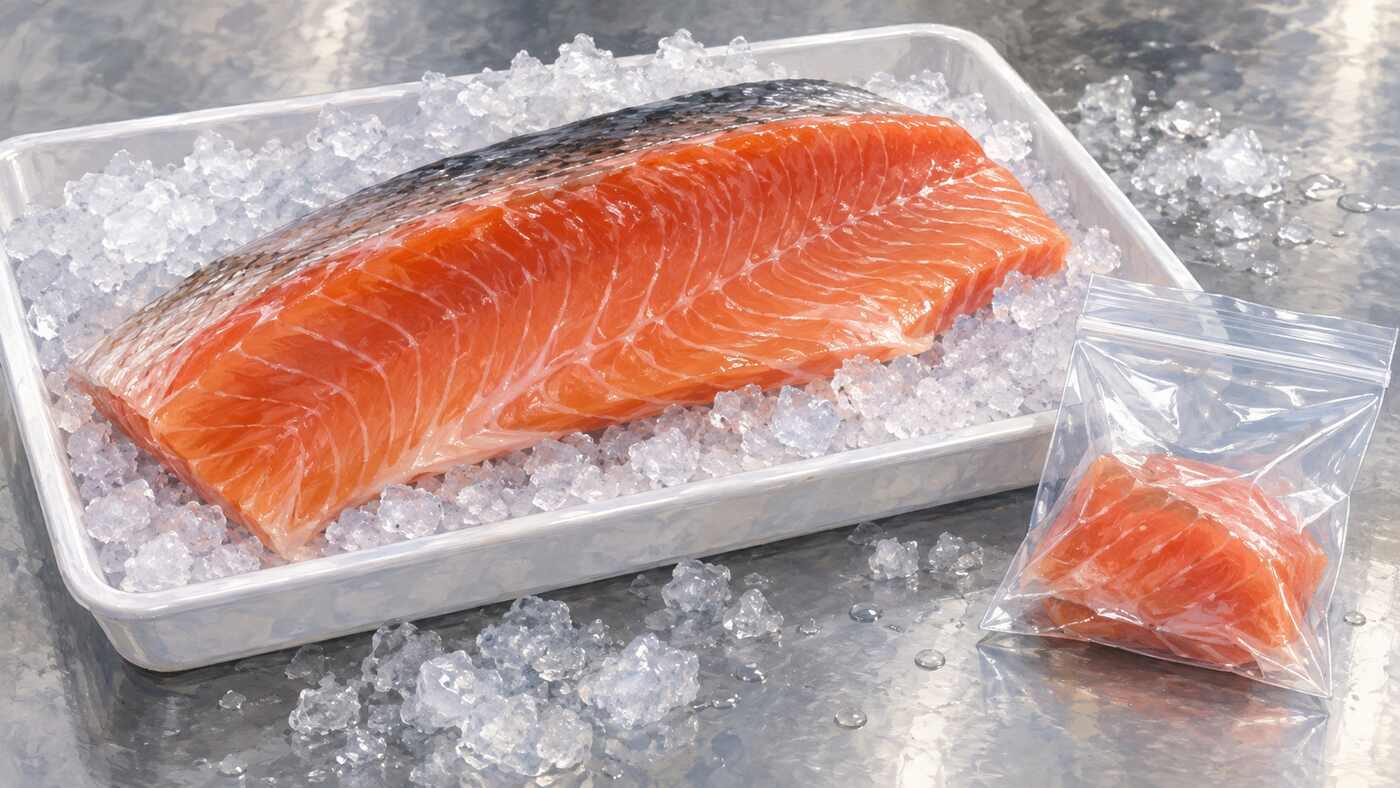
On 13 April 2016 the Tampa Bay Times published “Farm to Fable” by its food critic, Laura Reiley. She reviewed the menus of every restaurant she had reviewed since the farm-to-table trend began. Of 239 still in business, 54 made claims about where their ingredients came from. She called producers and vendors, visited farms, and traced sources through distributors and invoices. Fish that seemed suspicious went into zip-top bags and was sent for DNA testing by scientists at the University of South Florida.
Her conclusion was blunt: “Just about everyone tells tales.” She described the claims as ranging from “whoppers” to “fibs borne of negligence or ignorance” and “nearly harmless omissions or ‘greenwashing’”. She also noted that many restaurants rely on a few large distributors that source in bulk from around the world, which makes direct local buying hard.
What the reporter found, in brief
| Claim type | Example finding reported |
|---|---|
| Local seafood | “Florida blue crab” tested as a crab species from the Indian or West Pacific Ocean |
| Named fish | A grouper sushi roll tested as tilapia |
| Wild-caught | Shrimp described as wild were farm-raised in India |
| Named farms | Farms listed on menus said they had not sold that product to the restaurant |
| Sourcing radius | A claimed 250-mile radius did not match supplier accounts |
Why menu claims are rarely enforced
Reiley’s report explained the enforcement gap. Florida inspectors had found about 750 food-misrepresentation violations in the previous two years, and 123 restaurants had been fined, typically $150 to $300 for a first offence. But among 95 misrepresentations in Hillsborough and Pinellas counties over the same period, none involved farm-to-table claims such as conventional produce sold as organic or imported greens sold as local. The state had about 40,000 restaurants and 191 inspectors.
The lesson travels beyond Florida. Where a phrase is not defined in law and inspectors are focused on safety, the accuracy of a menu depends on the restaurant’s honesty and on diners asking questions.

Seasonality as a test
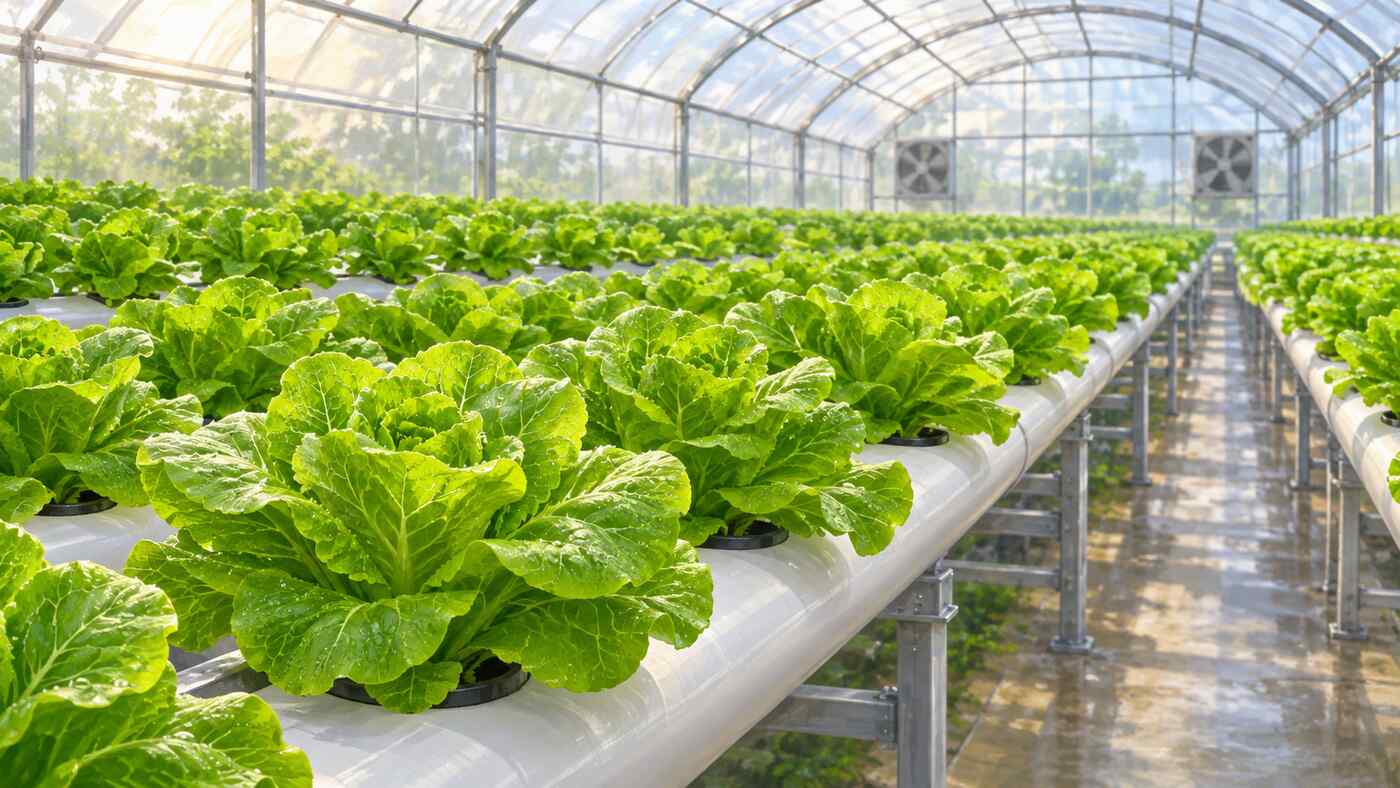
The simplest check is the calendar. In Farm to Fable, Cathy Hume of Urban Oasis Hydroponic Farm told the reporter, “The only thing we can grow year-round is lettuce,” and added: “If they have collard greens on the menu in June, something is wrong.” Her point was about Florida’s climate, but every region has its own pattern.
In Arkansas, the Department of Agriculture publishes a local harvest calendar showing when fruits and vegetables are available from the state’s farms. A menu that offers the same “local” produce in every month deserves a question. Restaurants that buy truly local often say so honestly; Greenhouse Grille in Fayetteville told Talk Business & Politics in 2009 that at least 40 percent of its food was organic year round and up to 70 percent at peak season, rather than claiming everything was. Its story is in our history of Greenhouse Grille.
Questions to ask farm to table restaurants
Reiley’s closing advice was: “Ask questions. Be prepared for the answers.” Based on the methods described in her investigation, useful questions include:
- Which farm grew this, and roughly how far away is it?
- Is this ingredient in season locally right now?
- Do you buy directly from the farm or through a distributor?
- Which dishes on the menu use local ingredients, and which do not?
- Do you buy from the local farmers market, and from which vendors?
The investigation notes that purchases are hard to verify unless a diner visits the farm or traces a restaurant’s distributors and invoices, so a frank answer that some items are not local is a good sign. Producer-only markets, such as the Fayetteville Farmers Market, make the farm connection easier to see.
Key takeaways
- Farm to table and locally sourced have no legal definition on restaurant menus.
- The 2016 Farm to Fable investigation checked 54 restaurants’ claims and found widespread exaggeration.
- Reporters used supplier calls, farm visits, invoices and DNA tests to check claims.
- Seasonality is a quick test: out-of-season “local” produce deserves a question.
- Honest restaurants can usually name their farms and say which items are not local.
Common questions
Is farm to table a regulated term?
No. US law defines local food for some programmes, such as the 2008 Farm Act’s 400-mile or same-state rule, but no law sets a standard for the words “farm to table” on restaurant menus. Food misrepresentation rules exist, but Farm to Fable found they were rarely applied to such claims.
What was Farm to Fable?
A 2016 Tampa Bay Times investigation by food critic Laura Reiley into restaurant sourcing claims in the Tampa Bay area. She checked 54 restaurants’ claims through farm visits, supplier calls, invoices and DNA testing of fish, and found many claims were inaccurate.
How can I tell if a restaurant really buys local?
Ask which farms supply a dish and whether it is in season, and see if the answer is specific. The Farm to Fable report says the surest checks are visiting the farm or tracing distributors and invoices, which diners can rarely do themselves.
Does this mean most farm to table restaurants are dishonest?
Not necessarily. The investigation covered one region in 2016 and found a range from serious misrepresentation to small omissions. Many restaurants buy locally in good faith. The point is that claims should be specific enough to check.
How we put this together: the investigation’s methods, findings and enforcement figures come from the Tampa Bay Times; definitions of local food come from the USDA National Agricultural Library; seasonality guidance comes from the Arkansas Department of Agriculture; the Fayetteville example comes from Talk Business & Politics. We do not name or accuse any restaurant beyond what the cited reports say.
Sources
- Tampa Bay Times: Farm to Fable, 2016
- USDA National Agricultural Library: Local food and distance
- Arkansas Department of Agriculture: Local harvest calendar
- Talk Business & Politics: Green restaurants and stores attract a following, 2009
- Merriam-Webster: farm-to-table
- Fayetteville Farmers Market: About us