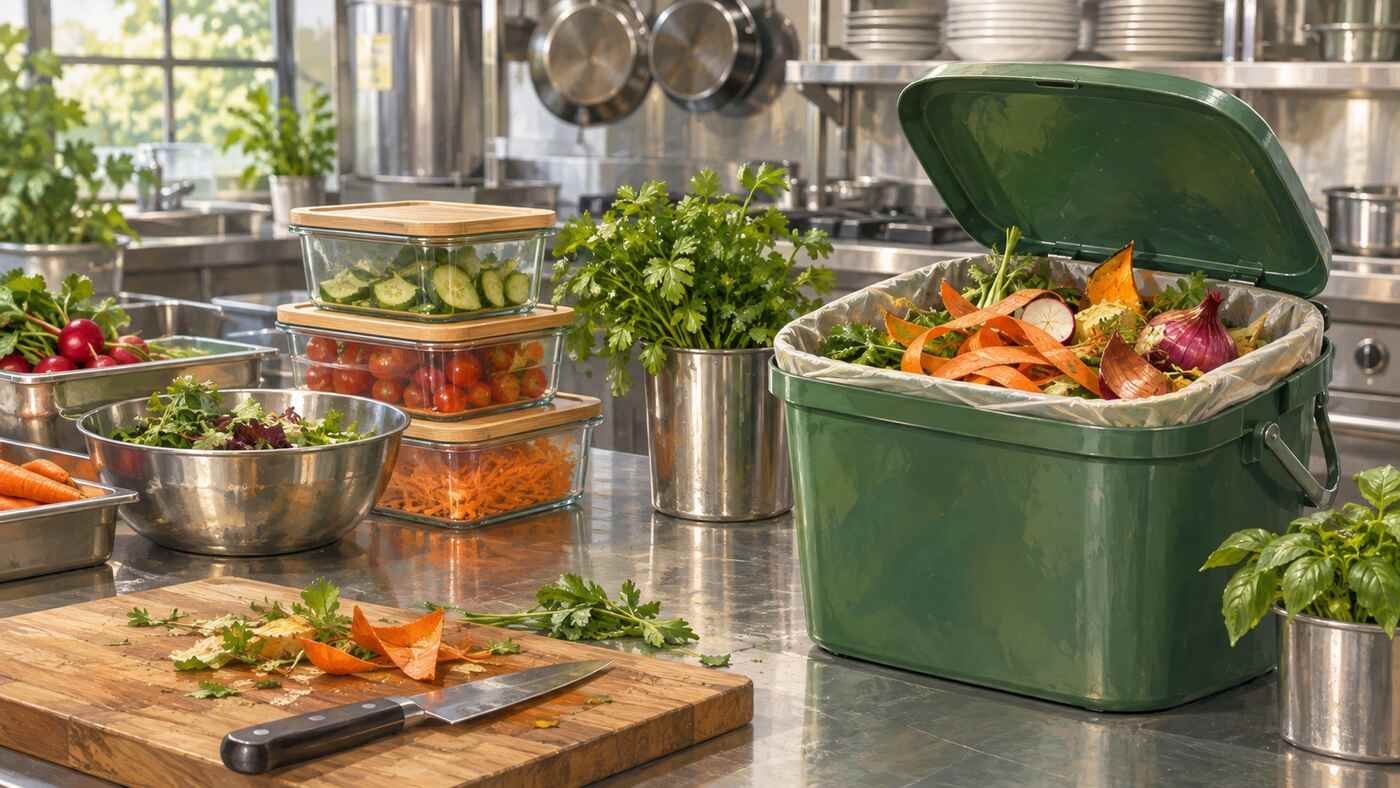
In short: Sustainable restaurant practices are the ways a restaurant cuts its environmental impact: preventing and diverting food waste, saving energy and water, choosing reusables and sourcing food responsibly. The EPA ranks food waste options on its Wasted Food Scale, from prevention and donation down to landfill. The Green Restaurant Association certifies restaurants across eight categories.
A green restaurant is about more than local food. Kitchens use large amounts of energy and water and produce a steady stream of food scraps, packaging and used oil. This guide explains the main areas of sustainable practice, how the EPA ranks ways of handling wasted food, how one certification scheme works and how a Fayetteville restaurant put these ideas into practice. It is part of Greenhouse Table, and the facts come from the sources listed at the end.
What is a green restaurant?
A green restaurant is a restaurant that takes measurable steps to reduce its environmental impact. The Green Restaurant Association (GRA), which says it has certified restaurants since 1990, measures that impact in eight categories: energy; water; waste; reusables and disposables; chemicals and pollution; food; building and furnishing; and education and transparency. Restaurants earn points in any category and must reach a total to be certified, at one of four levels.
Two more terms are useful. Wasted food, in the EPA’s definition, is food not used for its intended purpose, whether it is then donated, composted or thrown away. Food waste often refers to food that is discarded or recycled, such as plate waste, spoiled food or inedible peels; food loss often refers to unused farm products, such as unharvested crops.
Why food waste matters
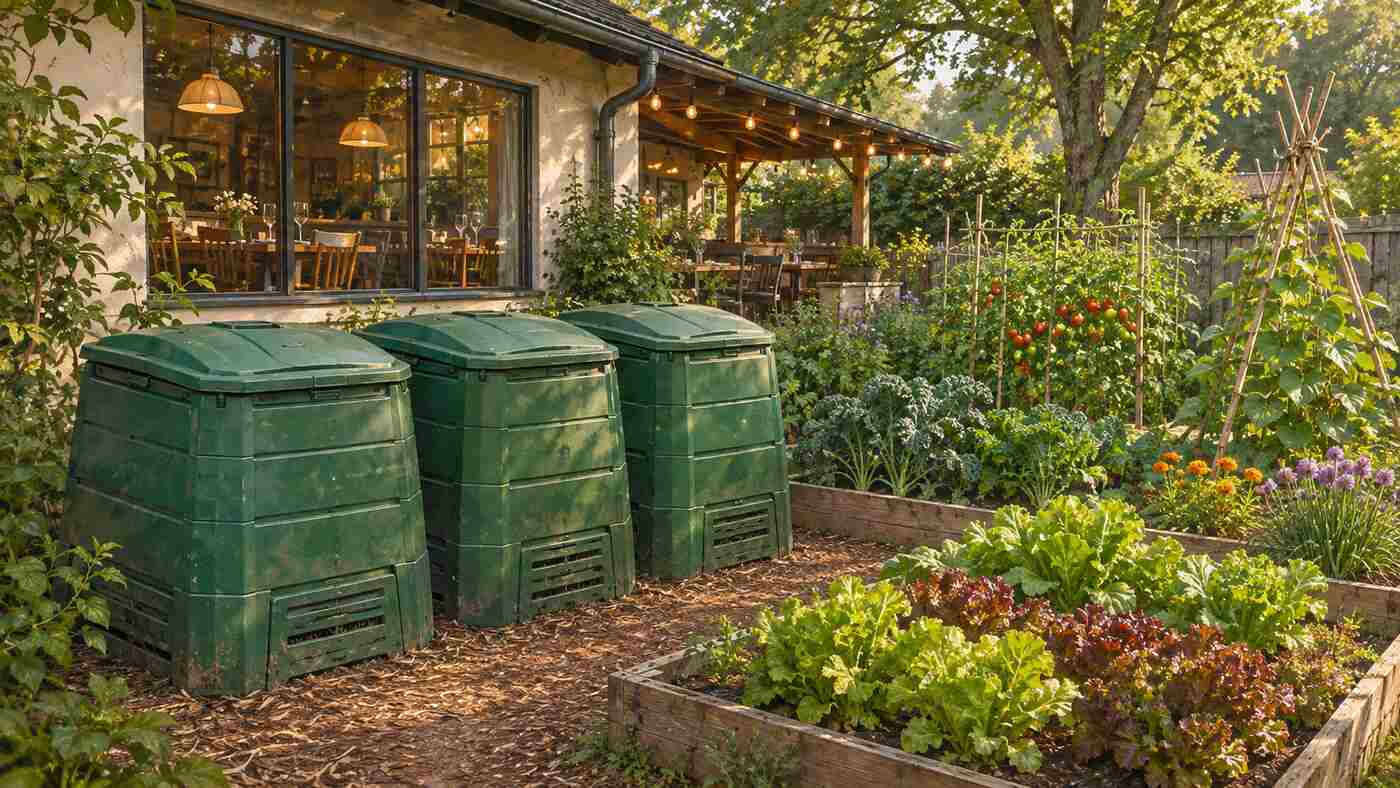
The EPA’s figures explain why restaurants focus on waste. It estimates that about 66 million tons of wasted food were generated in the US food retail, food service and residential sectors in 2019, and about 60 percent of it went to landfills. In 2018, food was the largest single material in everyday US trash sent to landfills and combustion, making up 24 percent of the amount landfilled.
The climate effect is large. The EPA estimates that wasted food is responsible for 58 percent of landfill methane emissions to the atmosphere. It also notes that in 2015 the EPA and USDA announced a goal to cut US food waste by 50 percent by 2030.
The EPA Wasted Food Scale
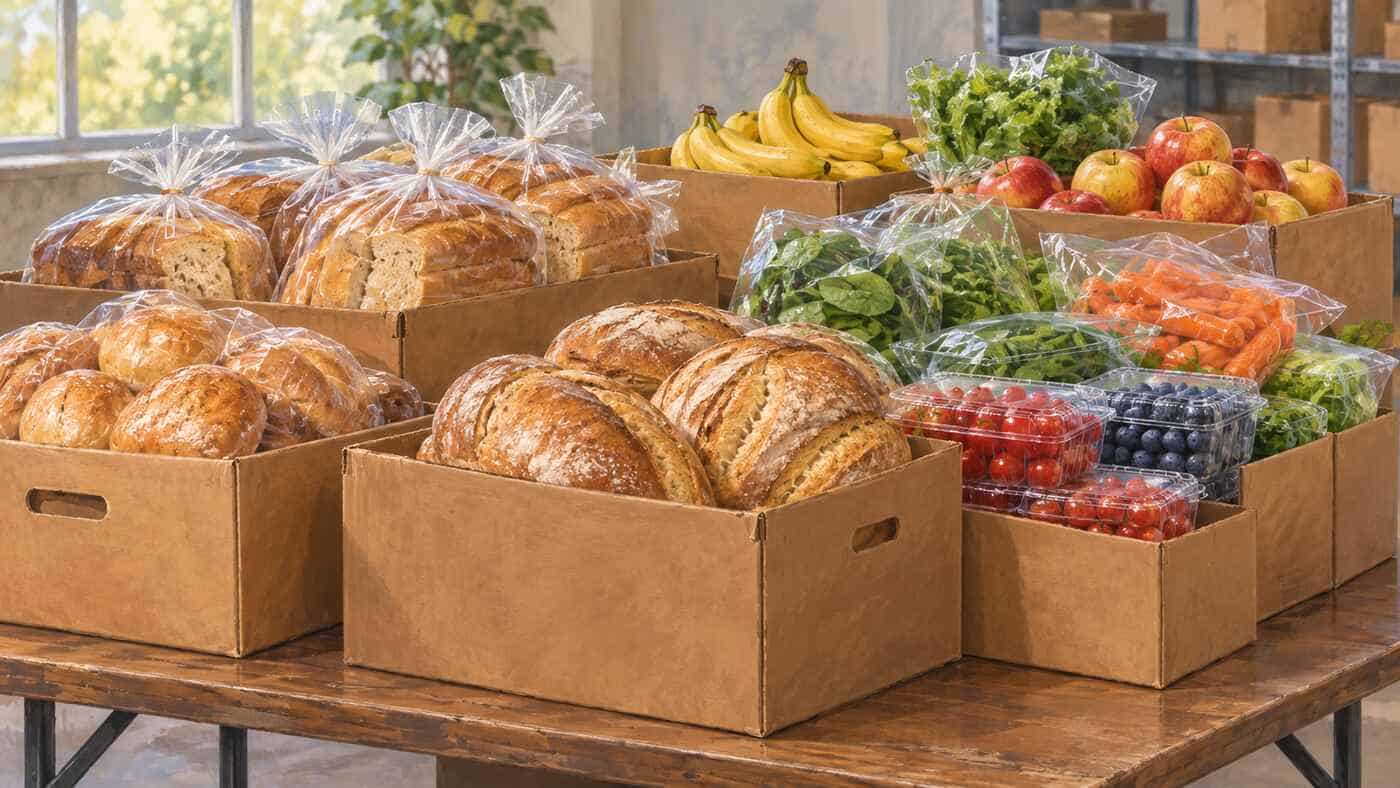
The EPA ranks ways of handling wasted food on its Wasted Food Scale, which replaced its earlier Food Recovery Hierarchy. The agency says the scale was based on findings from its 2023 report “From Field to Bin” on the environmental impacts of US food waste management. Pathways are ranked from most to least preferred.
Wasted Food Scale, most to least preferred
| Position | Pathways |
|---|---|
| Most preferred | Prevent wasted food; donate; upcycle |
| Next | Feed animals; leave unharvested |
| Middle | Anaerobic digestion with beneficial use; compost |
| Lower | Anaerobic digestion with disposal; apply to land |
| Least preferred | Landfill; incinerate; send down the drain |
The EPA lists the pathways in that order but does not group every one into named tiers on its page, so the middle rows above are our grouping of its sequence. For a restaurant the message is simple: buying and prepping carefully comes first, donating surplus food second, and composting is better than the bin.

Energy, water and disposables
Beyond food, the GRA’s categories point to the other main areas. Energy covers lighting, refrigeration and cooking equipment. Water covers fixtures and dishwashing. Reusables and disposables cover cups, containers and packaging, while chemicals and pollution cover cleaning products. Building and furnishing covers materials used in a fit-out, and education and transparency covers telling staff and customers what the restaurant does.
The GRA says its standards reflect more than 30 years of research and contributions from thousands of restaurants. Certification is one route; many restaurants adopt the same practices without it.
A Fayetteville example: Greenhouse Grille
Greenhouse Grille in Fayetteville, Arkansas, is a local example of these practices in action. An archived copy of its “green attributes” page from 2012 listed 16 measures, including composting of all organic waste, recycling of plastics, glass, cans, paper and e-waste, waste grease and oil recycled into biodiesel, environmentally safe cleaning agents, recycled paper products, LED and energy-efficient lighting, recycled cotton sound panels and on-site organic gardens. Talk Business & Politics reported in 2007 that it served filtered water and sent its used fryer grease to be turned into fuel for cars.
The same page listed the NWA Business Journal’s 2008 Greenest Business Award in the category for fewer than 50 employees, and “Greenest Small Business” and “Greenest Restaurant” awards from the Sierra Club of Arkansas in 2008, 2009 and 2010. Its full story, including its farm suppliers, is told in our history of Greenhouse Grille. For the sourcing side of sustainability, see our guides to what farm to table means and how to check farm-to-table claims.

How diners can spot sustainable restaurant practices
Diners can look for a few signs that match the categories above. Does the restaurant offer filtered tap water instead of bottled water? Are takeaway containers reusable or compostable? Does it say where its scraps and surplus go? Does it publish any certification, and at what level? None of these is proof on its own, but specific, checkable answers are more meaningful than a general “green” label.
Key takeaways
- Sustainable restaurant practices cover food waste, energy, water, disposables, chemicals, sourcing and transparency.
- The EPA estimates wasted food causes 58 percent of US landfill methane emissions.
- The EPA Wasted Food Scale ranks prevention, donation and upcycling highest and landfill lowest.
- The Green Restaurant Association certifies restaurants across eight categories and four levels.
- Greenhouse Grille in Fayetteville composted, recycled oil into fuel and won local green awards.
Common questions
What is the most sustainable thing a restaurant can do with food waste?
Prevent it. The EPA’s Wasted Food Scale ranks preventing wasted food as most preferred, followed by donation and upcycling. Composting and anaerobic digestion rank lower, and landfill, incineration and sending food down the drain rank lowest.
What does green restaurant certification measure?
The Green Restaurant Association measures eight categories: energy, water, waste, reusables and disposables, chemicals and pollution, food, building and furnishing, and education and transparency. Restaurants earn points across them and are certified at one of four levels.
What replaced the EPA Food Recovery Hierarchy?
The Wasted Food Scale. The EPA says it developed the scale from findings in its 2023 report “From Field to Bin”, which compared the environmental impacts of different ways of managing wasted food in the United States.
Is a farm-to-table restaurant automatically sustainable?
No. Buying locally is one part of sustainability, covered by the GRA’s food category, but energy, water, waste and disposables matter too. A restaurant can buy local food and still waste a great deal, or the reverse.
How we put this together: definitions and waste figures come from the EPA; the Wasted Food Scale comes from the EPA’s own page, and we say where our tier grouping is our own; certification categories come from the Green Restaurant Association; the Fayetteville example comes from archived pages of the restaurant’s website and Talk Business & Politics.
Sources
- US EPA: Wasted Food Scale
- US EPA: Sustainable management of food basics
- US EPA: International efforts on wasted food recovery
- Green Restaurant Association: Certification standards
- Internet Archive: Greenhouse Grille green attributes page, 2012
- Talk Business & Politics: Greenhouse Grille’s organic edibles, 2007